
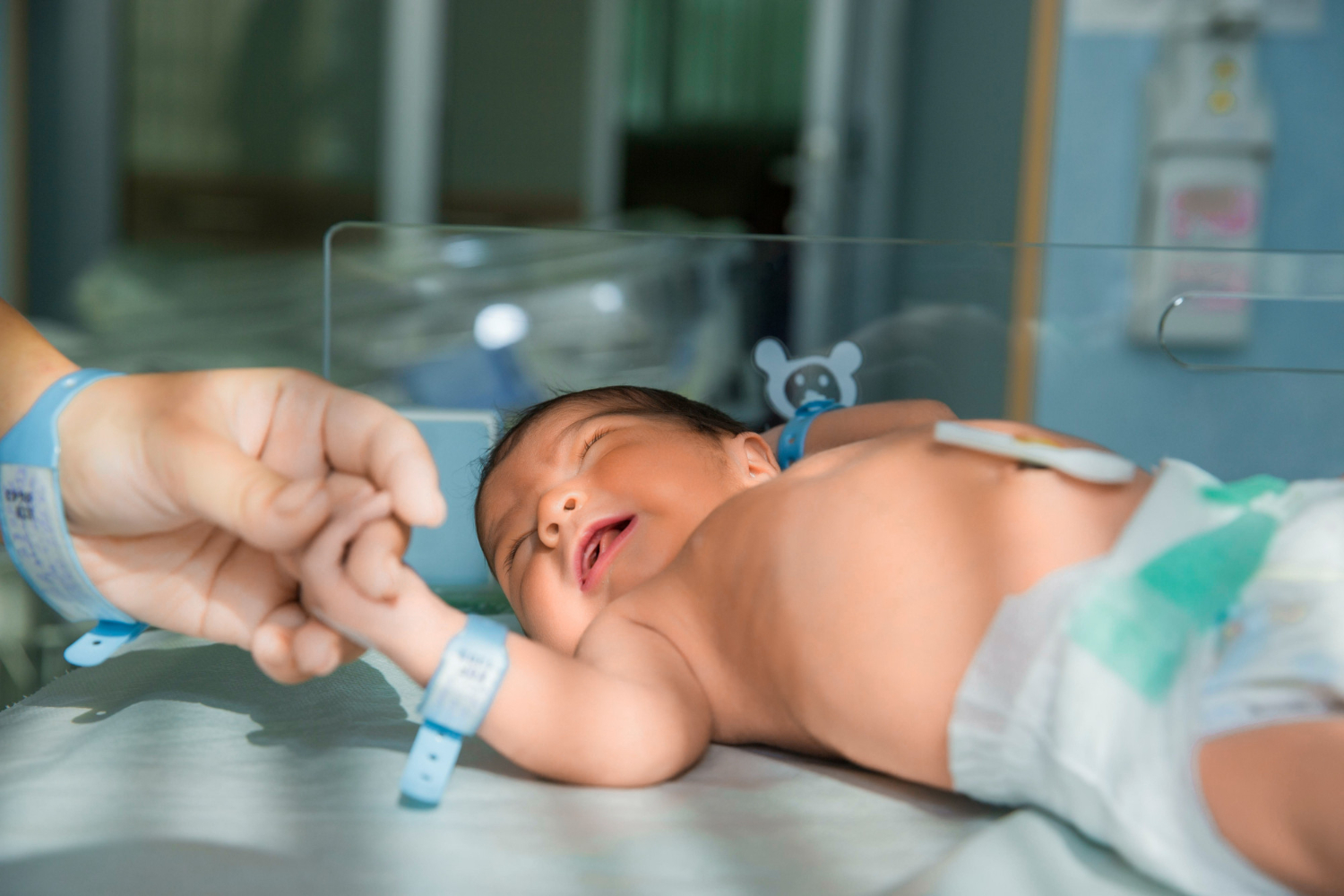
NICU care can be a turning point for babies who are born too early, have breathing problems, infection, low blood sugar, birth complications or other conditions requiring close monitoring. Every baby's course is different, so a 'success story' should never be treated as a promise about another baby's outcome.
What happens in a NICU?
The neonatal team may monitor breathing, heart rate, oxygen levels, temperature, blood sugar and feeding. Some babies need respiratory support, intravenous treatment, antibiotics, specialised nutrition or help maintaining body temperature.
Progress is often gradual
A baby may improve in one area and still need support in another. For a premature baby, milestones may include stable breathing, maintaining temperature, tolerating feeds and gaining weight. Families may notice good days and difficult days during recovery.
Parents are part of care
Depending on the baby's condition and hospital policy, parents may participate in skin-to-skin care, feeding, comforting and routine care. Ask the team to explain equipment and daily goals in simple language.
After discharge
Going home is an important milestone but follow-up may continue for feeding, growth, development, vision, hearing or other needs. Keep vaccination and follow-up appointments and seek help if feeding or breathing concerns arise.
When to seek medical help?
Any newborn with breathing difficulty, blue or grey colour, repeated pauses in breathing, seizures, severe feeding difficulty, marked lethargy or rapidly worsening condition needs urgent neonatal assessment.
Medical note: This article is for general health education and does not replace an examination, diagnosis or personalised medical advice. Treatment decisions should be made with a qualified healthcare professional.
You might also like
Mar 25, 2026
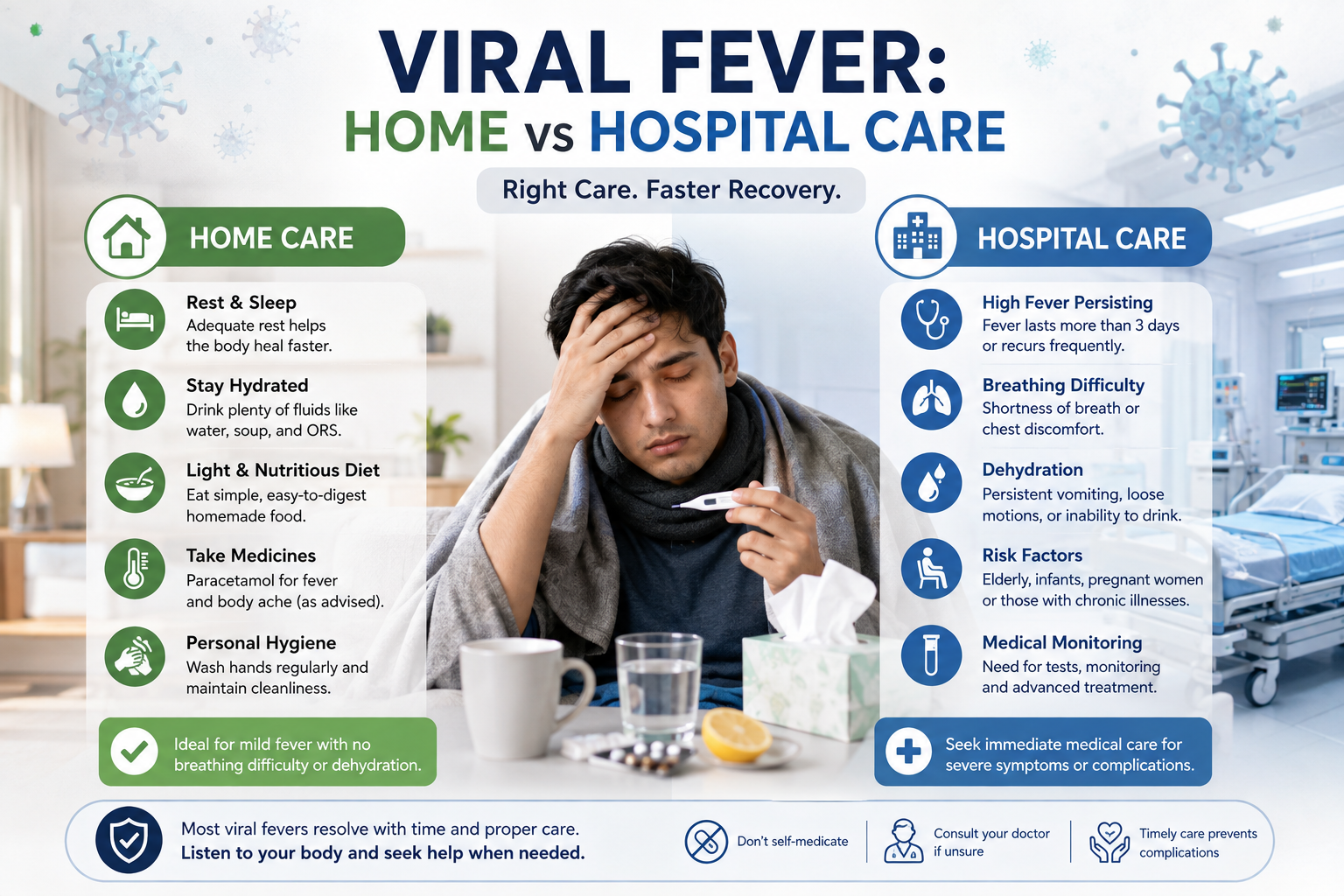
Viral Fever: Home vs Hospital Care

Mar 18, 2026
Importance of Full Body Checkups

Mar 11, 2026